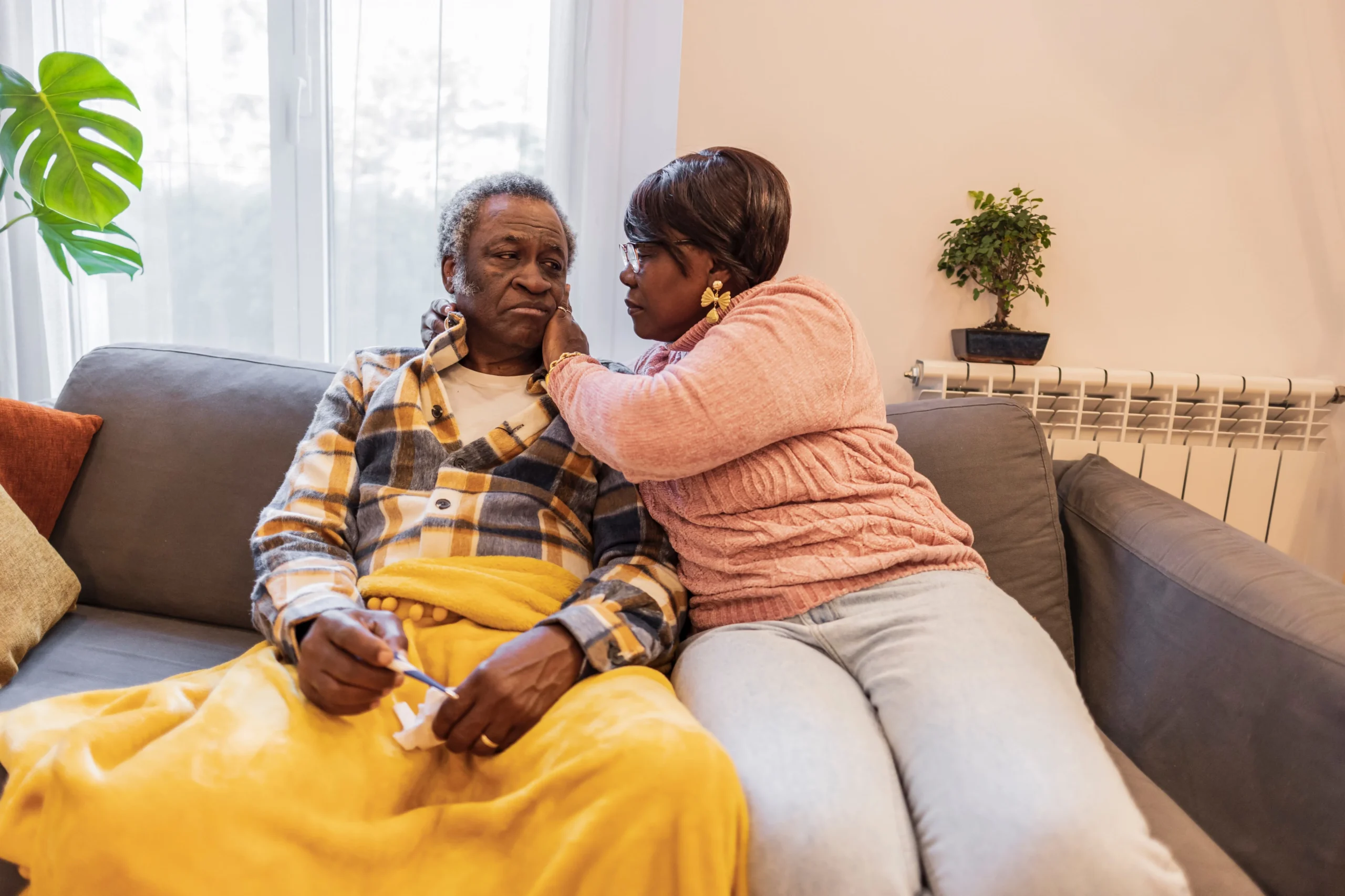



Whether you are caring for an aging family member or have chosen a caregiving career, you probably know that your services can be one of life’s most meaningful responsibilities. However, it can also be one of the most draining. Especially if the individual you care for has chronic health needs or requires memory care.
As a caregiver, you are often asked to balance work, children, and household demands on top of your caregiving role. Over time, that constant pressure can lead to burnout. Burnout is defined as a state of emotional, mental, and physical exhaustion, and it can affect both the care provider and the person receiving care.
Recognizing the signs of caregiver burnout and finding ways to cope are not optional; they are essential for everyone’s long-term health and well-being.
What caregiver burnout really means
We all have felt tired at the end of the day or a little stressed at work from time to time, but burnout goes beyond these feelings. It’s a stress syndrome that builds gradually until you feel mentally drained, emotionally flat, and physically run down. The meaning of burnout in this context is the loss of energy, hope, and resilience. Without these things, caring for a loved one or a senior can feel unbearable.
Some home health aides may instantly recognize that they are “burnt out.” In contrast, others may notice symptoms creeping in slowly, such as constant fatigue, irritability, or withdrawing from friends and family. If these feelings and symptoms go unaddressed, caregiver burnout can progress to depression, anxiety, and even physical illness.
What are common symptoms of caregiver burnout?
Understanding the warning signs helps family members and caretakers themselves catch burnout early before it can pose a serious problem. Some of the most common symptoms include:
- Constant exhaustion or fatigue, no matter how much sleep you get
- Feeling mentally and emotionally drained or numb
- Increased irritability, frustration, or anger toward the person you’re caring for
- Loss of interest in activities you once enjoyed
- Physical issues like headaches, muscle tension, or trouble sleeping
- Withdrawal from family, friends, or social events
- Persistent sadness or depression
- Feeling overwhelmed by small tasks
If you’re experiencing more than one of these symptoms simultaneously, it could be a signal that you’re burned out and need support.

Why caregivers are susceptible to burnout
Caregiving, particularly if you are taking care of a loved one, is often a 24/7 role that blends emotional and physical demands. Whether you’re helping elderly parents manage medications, assisting with mobility, or coordinating doctor’s visits, the responsibility is heavy. Additionally, compassion fatigue, a condition where constant empathy leaves you emotionally exhausted, is also a real risk.
Caregiver burnout can affect paid healthcare providers, that’s true. However, unlike paid caregivers, family care assistants don’t always have scheduled breaks, support resources, or formal training. They may feel guilty about needing help or fear they’re not doing enough. This combination of physical strain, mental stress, and emotional burden creates the perfect storm for burnout.
Prevention and coping strategies
Recognizing and stopping caregiver burnout before it escalates requires awareness, intentional prevention, and ongoing support.
Here are some practical tips:
1. Acknowledge your limits
Admitting that you feel overwhelmed doesn’t mean you’re failing. It means you’re human. Recognize when you’re mentally or physically drained and allow yourself to set boundaries.
2. Prioritize self-care
Even short breaks can help you recover from stress. Take a walk, practice breathing exercises, or schedule time with friends. Regular rest prevents exhaustion from snowballing.
3. Ask for help
Shared responsibility is necessary for preventing burnout. Reach out to family members, friends, local resources, or other support systems if you’re noticing signs of burnout. Many communities or professional caregiving services offer respite care services so those providing care can take a needed break.
4. Seek emotional support
Talking with a therapist, joining a caregiver support group, or confiding in someone you trust can ease the emotional burden. Support helps you cope with depression, stress, or compassion fatigue before they worsen.
5. Stay organized
Simple tools, like calendars, medication apps, or checklists, can reduce mental overload. When daily tasks feel more manageable, the chance of burnout decreases.
6. Focus on health
Home health aides often work so hard at taking care of others that they can neglect their own physical health. Regular meals, exercise, and doctor’s appointments are just as important for you as for the person you’re caring for.
What to do if you’re already burned out
If you’re past the prevention stage and feeling burnt out, recovery is possible! You’ve already taken the first step, which is recognizing the symptoms and acknowledging that you’re burned out.
Professional counseling can address depression and mental exhaustion. At the same time, primary care providers may recommend treatment options for stress-related physical symptoms. Local support groups can also be a wealth of resources.
Equally important is giving yourself permission to pause. Even one afternoon away can start restoring your energy. Longer-term solutions for family caregivers may include arranging in-home caregiving support, hiring a part-time caretaker, or exploring adult day care programs for elderly parents. Paid caregivers should discuss support and schedule adjustments with their employers. These resources lighten the load while ensuring your loved one receives quality care.
Care for yourself as you care for others
Providing home care services is an act of compassion, but you need to show yourself some compassion, too. Recognizing burnout symptoms early, seeking help, and practicing ongoing prevention strategies protect both your health and the well-being of the person you care for.
Remember — being a good caregiver doesn’t mean doing everything alone. It means finding balance, using available resources, and caring in a sustainable way. With the right support, you can stop burnout before it sets in, recover if you’re already feeling drained, and continue providing care without losing yourself in the process. If you’re looking for resources and support related to caregiving, contact us today.
Commonly asked questions about caregiver burnout
What is caregiver burnout?
Caregiver burnout is emotional, mental, and physical exhaustion from long-term caregiving. It goes beyond normal stress and can affect your health and the quality of care you provide.
What are the signs of caregiver burnout?
Common signs include constant fatigue, irritability, emotional numbness, loss of interest in activities, and physical issues like headaches or trouble sleeping.
How can caregivers prevent burnout?
Prevent burnout by setting limits, practicing self-care, asking for help, joining support groups, staying organized, and maintaining your health through exercise, meals, and rest.